
Individuals After an Accident or Injury
After an accident or injury, getting the right support quickly can make it easier to return home, and resume daily routines. Gotcare gets support in place within hours — then adjusts in real time as needs change.


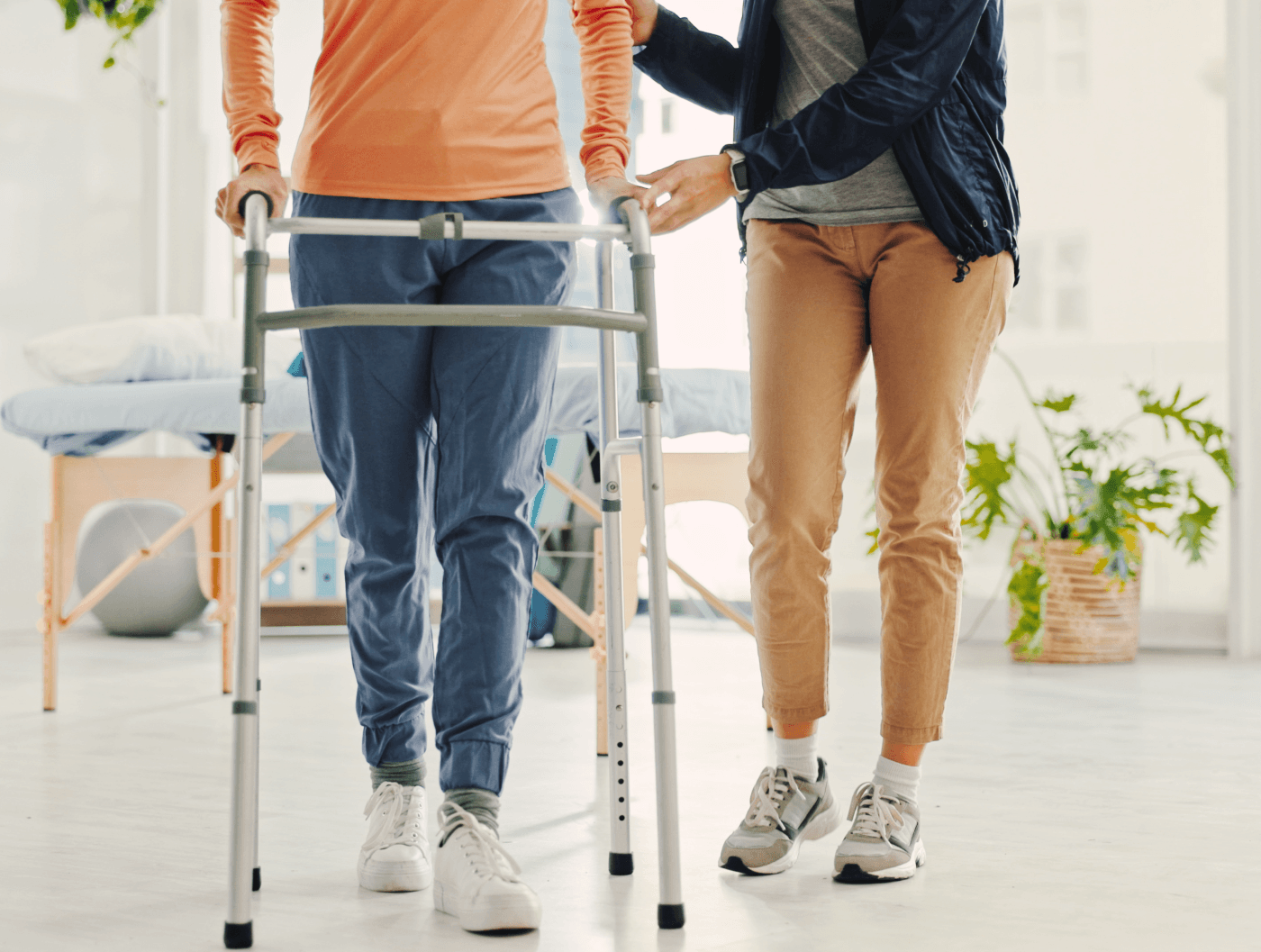
How it works
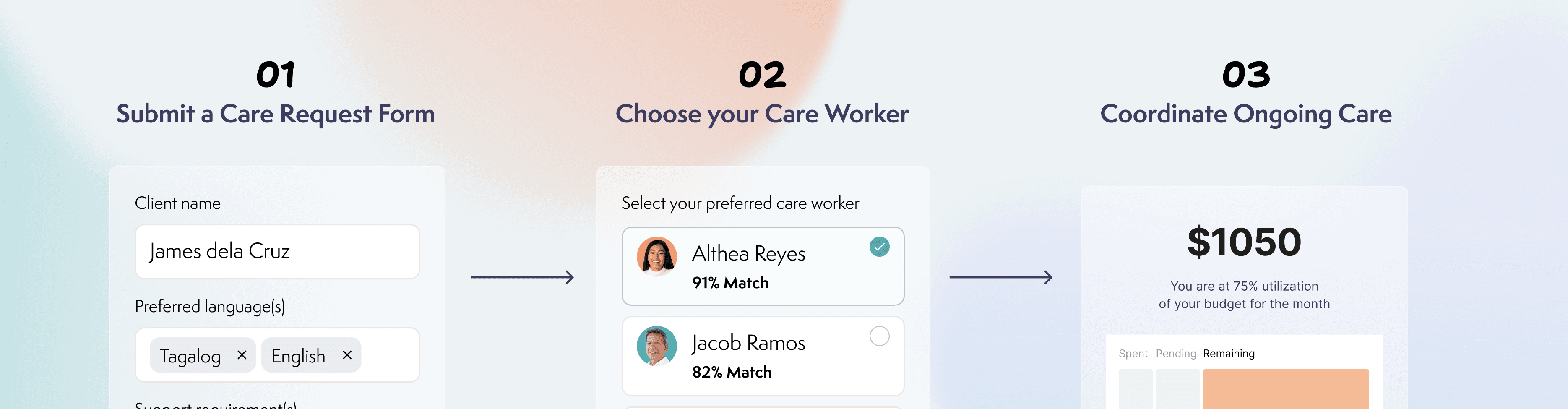

Fast intake
We review care needs immediately, co-designing care plans with clients and families.

Care within hours
Clients are matched to a hyperlocal care worker, typically within a 15 minute walk or drive.

Flexible support
Clients self-schedule home visits within the pre-approved care budget.

Real-time updates
Case managers and insurers receive real-time recovery insights and budget utilization trends.
Why this works
Faster starts
Average response time of 30 minutes (within business hours)
Fewer setbacks
Early intervention prevents setbacks and functional decline.
94% client satisfaction
Trusted by families across Canada.


Who we support
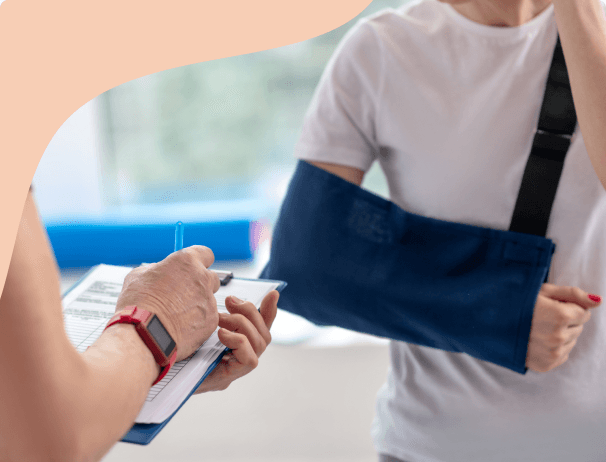
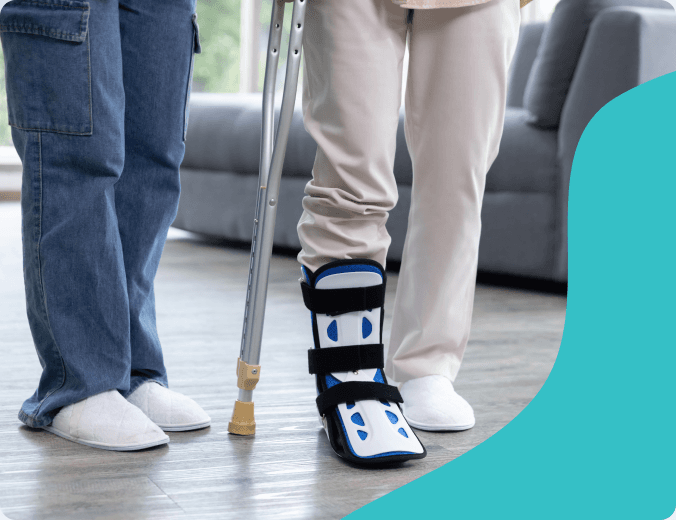
Individuals recovering from motor vehicle accidents, workplace incidents, and other injuries requiring ongoing care and support.
How we support
- Personal care and daily activities
- Mobility and community participation
- Homemaking and daily routines
- Care coordination
- Support to maximize independence

Powered by a national care network of over 30,000+ providers
- Developmental support workers
- Nursing
- Social service workers
- In-home respite
- Community support workers
- Community access and recreation
- Personal support workers

Trusted across Canada






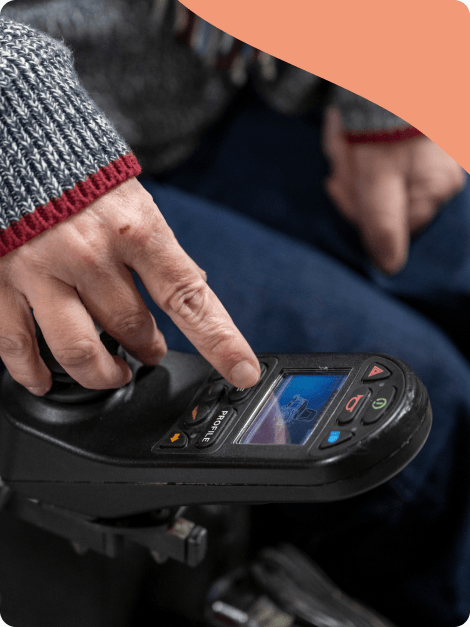
Rebuild routines and confidence with Gotcare
RJ, a 63-year-old man living with a long-standing spinal cord injury, experienced a second accident that led to multiple fractures and a prolonged hospital stay. Although medically stable, he developed pressure sores and growing anxiety about returning home.
The challenge wasn't managing the impact of his injuries — it was safely re-establishing routines and confidence in a home environment.
Gotcare support was structured to extend beyond traditional visits. In-person care was combined with virtual clinical guidance to reinforce pressure relief routines, safe mobility practices, and adherence to medication and exercise plans. Daily prompts, home monitoring, and real-time communication allowed subtle changes—such as reduced activity or discomfort—to be identified early and addressed before they worsened.
As routines became more stable, RJ was able to transition home with greater confidence, supported by a care environment that reflected how he actually lived.
The result: a safer transition home, more consistent adherence to care routines, and a clearer path back to independence.
FAQs
Can't find the answer you're looking for? Please chat with our friendly team.


2024 Start-up Innovator of the Year